How to Walk a Guinea Pig on a Leash Safely
While many pet owners want to share the outdoors with their pets, learning how to walk a guinea pig on a leash requires a cautious approach. Unlike dogs, guinea pigs have fragile spines and a high prey drive, meaning the wrong equipment or a sudden tug can cause serious injury. If you want to give your pet some fresh air and exercise, you must prioritize their security over the 'walk' itself.
Equipment Selection and Fitting
Select a Small-Animal Specific Harness
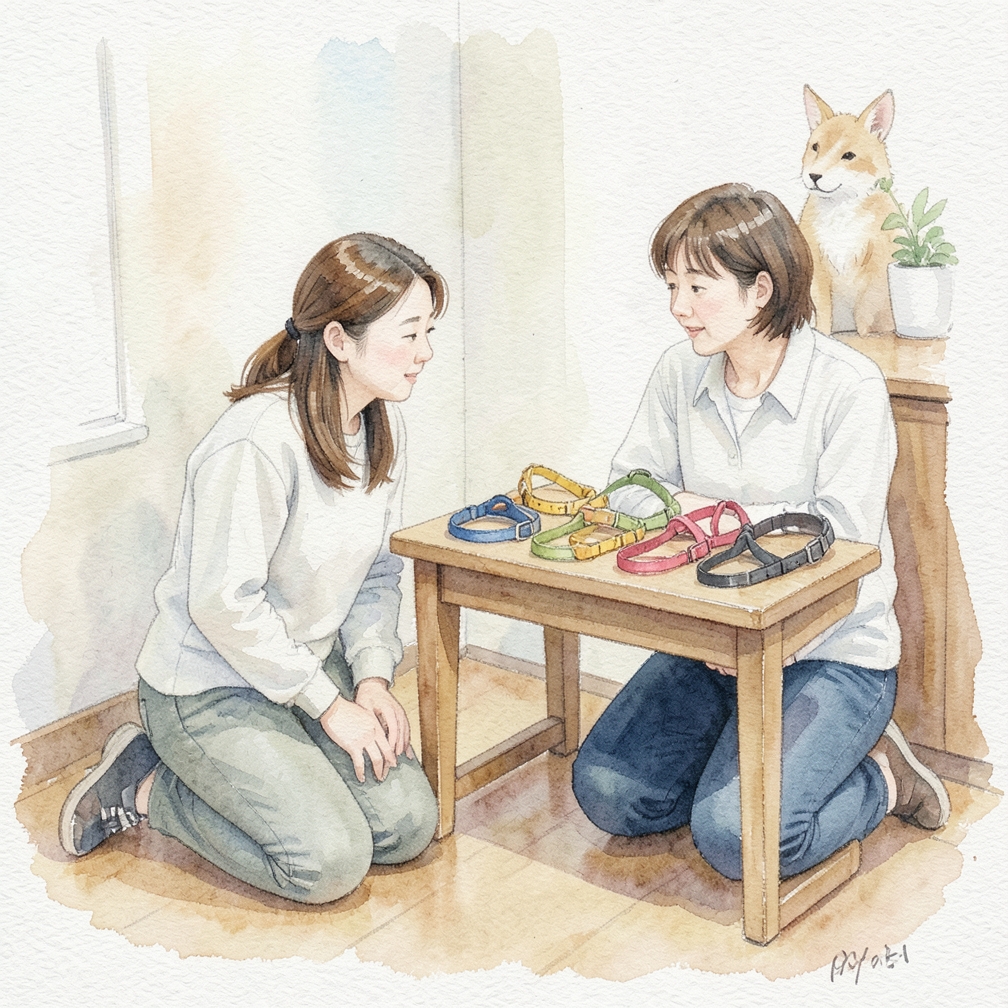
- Choose a lightweight fabric harness specifically designed for guinea pigs or small rabbits.
- Ensure the harness is adjustable so it fits snugly but allows two fingers to slide underneath.
- Avoid heavy leather or metal chains that could weigh down a small animal.
- Check that the leash attachment point is centered on the back to prevent the animal from tipping over.
- Test the harness for any sharp edges or irritating seams before putting it on your pet.
Choose a Lightweight, Non-Retractable Leash
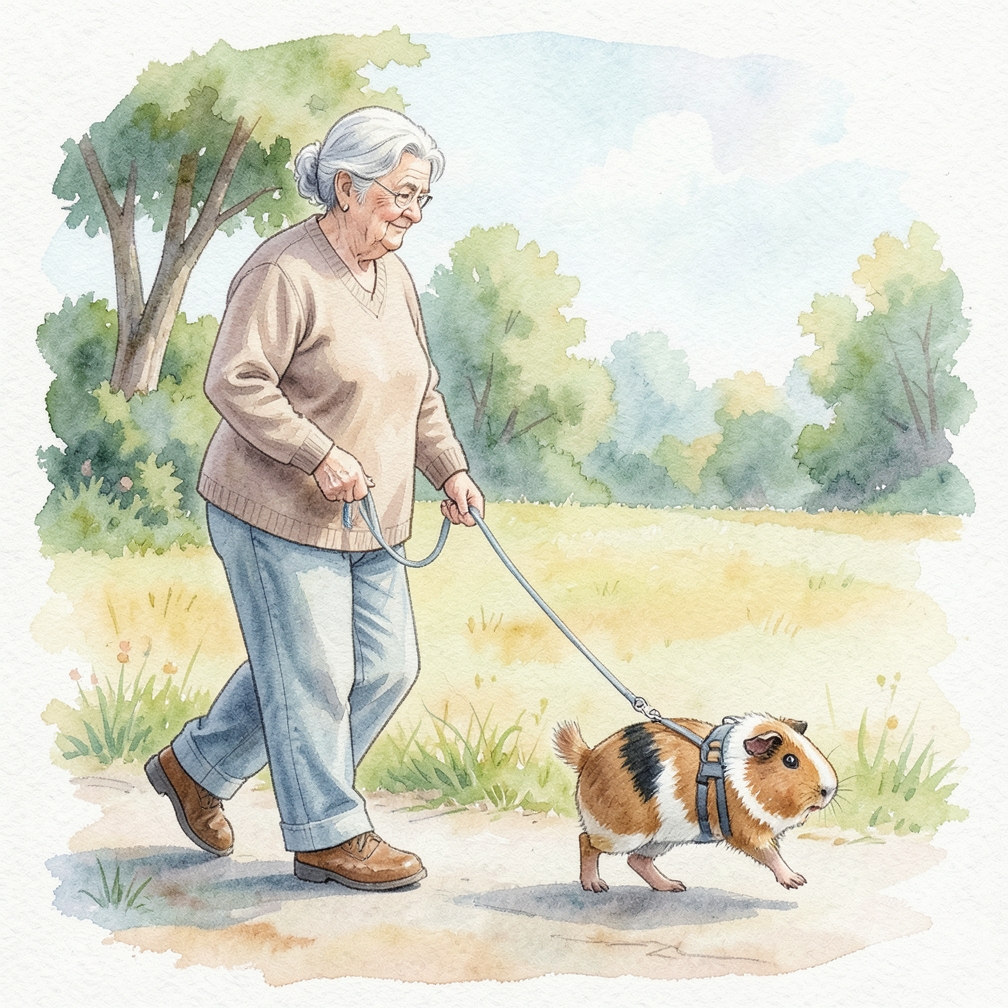
- Use a thin, lightweight lead to minimize the physical burden on the pet.
- Avoid retractable leashes as the sudden tension can snap a guinea pig's delicate spine.
- Keep the leash length manageable so you can react quickly if a predator appears.
- Ensure the handle is comfortable for you to hold loosely to avoid accidental jerking.
- Consider a leash with a soft grip to prevent your hand from slipping during the walk.
Acclimation and Outdoor Safety
Introduce the Harness Indoors First
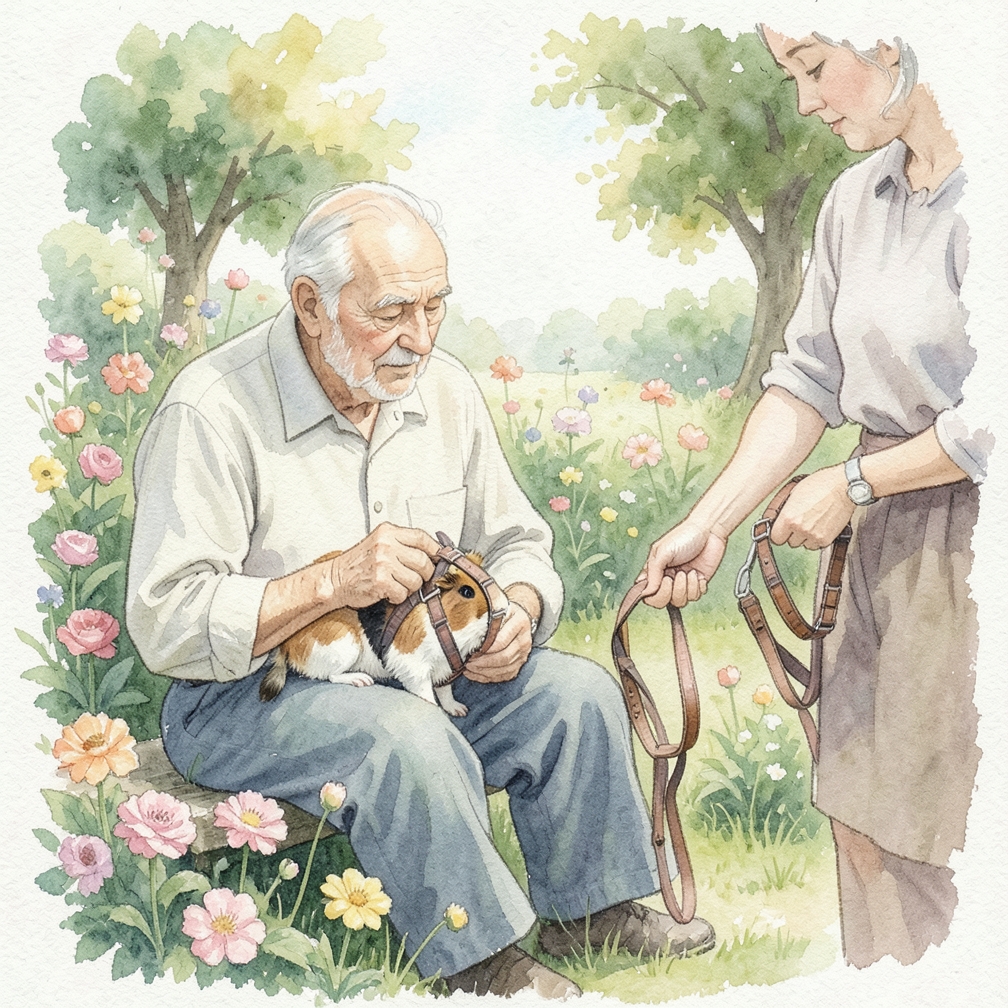
- Let your pet sniff the harness before you attempt to put it on them.
- Reward them with a favorite vegetable, like a piece of bell pepper, while wearing the gear.
- Allow them to wear the harness for 5-10 minutes a day for a week before going outside.
- If the pet freezes or panics, remove the harness and try again later to avoid negative associations.
- Practice walking them on a leash in a familiar room to get them used to the feeling of the lead.
Select a Secure, Predator-Free Environment
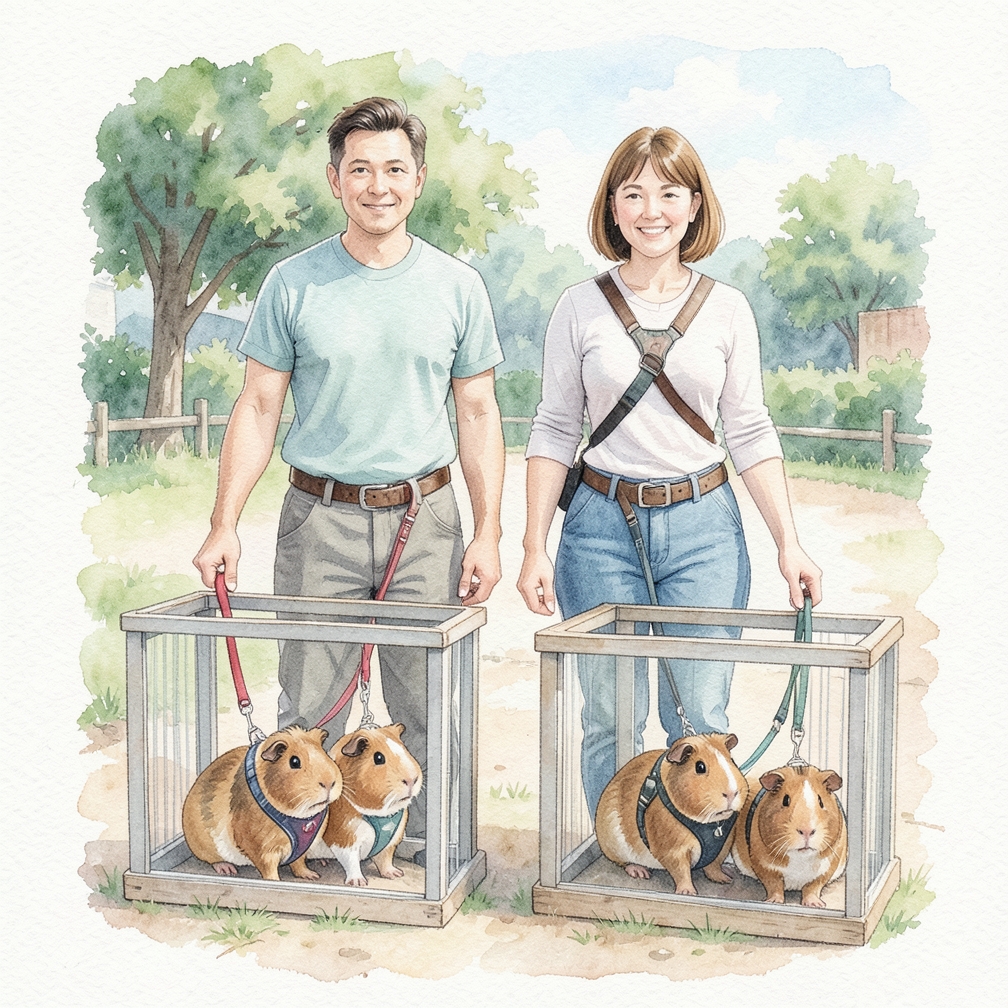
- Avoid public parks where off-leash dogs may be present.
- Choose a fenced-in backyard or a secure patio area.
- Keep the pet away from deep grass where they could get tangled or hidden from view.
- Ensure the area is free of toxic plants or pesticides that could be harmful if ingested.
- Check the weather; avoid extreme heat or cold, as guinea pigs struggle with temperature regulation.
Let the Guinea Pig Lead the Way
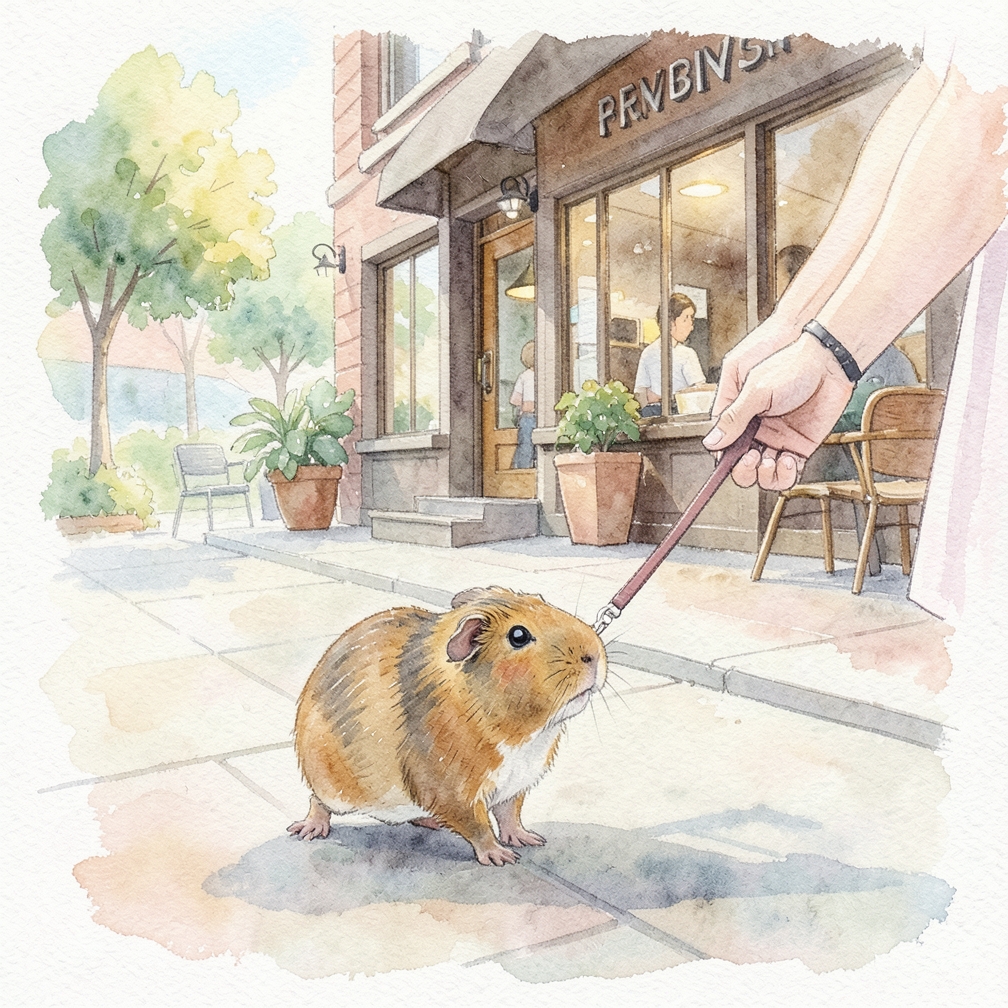
- Keep the leash slack at all times to avoid putting pressure on the spine.
- Allow the pet to stop, sniff, and explore at their own pace.
- Never pull or tug the leash to force the animal to move in a certain direction.
- Stay low to the ground so you are less intimidating and can monitor their movements closely.
- Be prepared to pick them up immediately if they become frightened or overwhelmed.
Warnings
- Never use a collar on a guinea pig; it can cause severe injury or strangulation.
- Avoid retractable leashes due to the risk of sudden tension on the spine.
- Do not take your guinea pig to areas with uncontrolled dogs or birds of prey.
Community Q&A
Be the first to ask a question about this guide.
Was this guide helpful?
29 people found this helpful
HowDadDo Around the World
Subscribe to the HowDadDo Newsletter
Get expert tips, weekly how-to guides, and dad wisdom delivered straight to your inbox. No spam, just good stuff.
Help us build the world's best
dad manual.
Every guide on HowDadDo is written and fact-checked by real people — no AI-generated fluff. Join our community of experts helping dads figure life out.