How to Understand Funeral Dreams Without Panicking
Waking up from a vivid dream about a funeral can leave you feeling anxious, shaken, and fearful for your loved ones. However, in the world of dream analysis, death is rarely literal. To understand funeral dreams without panicking, you must shift your perspective from a fear of mortality to a recognition of symbolic change. Most often, these dreams represent the closing of one chapter and the beginning of another, reflecting your subconscious mind's way of processing grief, stress, or personal evolution.
Identify the Deceased and Your Relationship
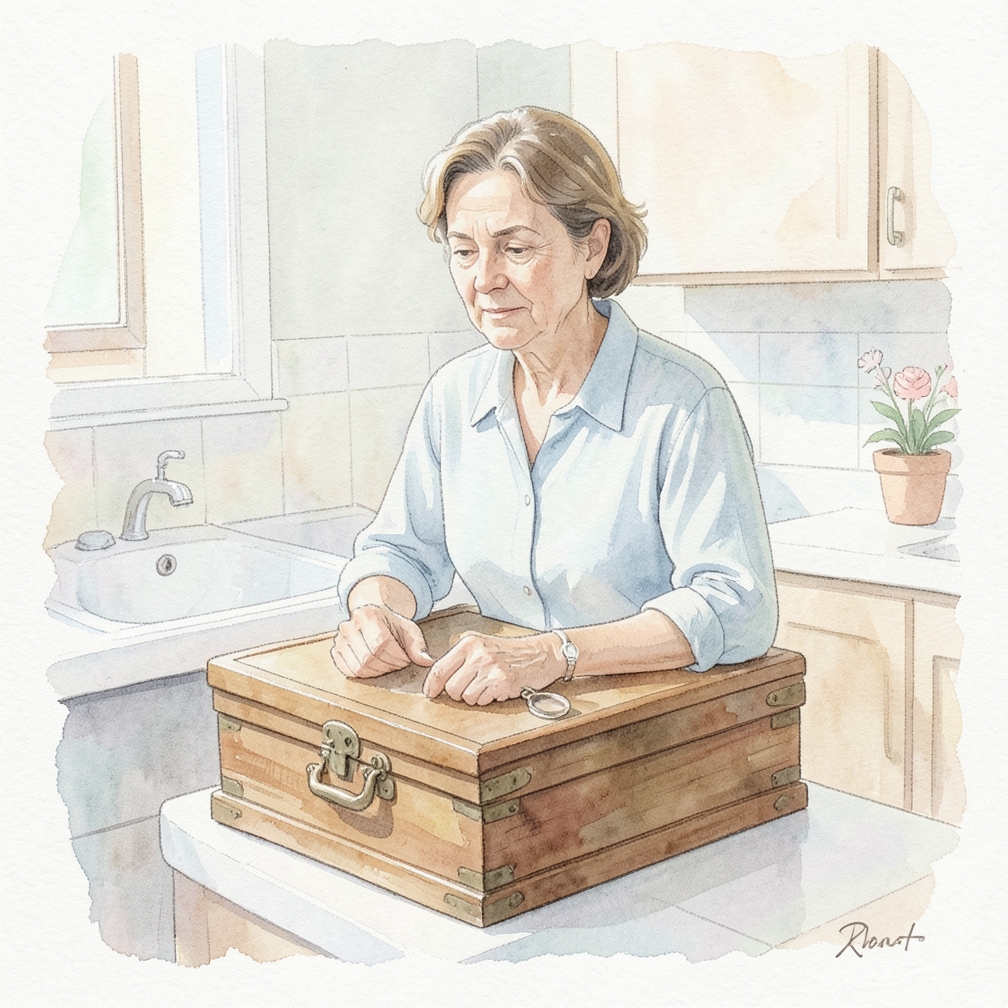
- Note if the person was a family member, a friend, or a complete stranger.
- Consider what specific trait that person represents to you (e.g., strength, kindness, or stability).
- Ask yourself if your relationship with this person has changed recently.
- Avoid the instinct to view the dream as a premonition of actual death.
- Recognize that dreaming of a stranger often symbolizes the 'death' of an old habit.
Analyze the Emotional Tone of the Ceremony

- Recall whether you felt panic, sadness, relief, or indifference.
- Compare the dream emotion to your current mood during the day.
- Identify if the sadness felt 'heavy' or 'cleansing' in nature.
- Notice if you were the only one grieving or if others shared the emotion.
- Remember that feeling 'nothing' can indicate a necessary emotional detachment from a situation.
Connect the Dream to Current Life Transitions

- List any major changes that have occurred in the last two weeks.
- Evaluate if you are currently leaving a job or graduating from a program.
- Consider if you have recently decided to stop a long-term habit or belief system.
- Reflect on whether you are entering a new phase of a relationship.
- Avoid over-analyzing every small detail; focus on the overarching theme of 'ending'.
Document the Dream for Pattern Recognition

- Write the dream in the present tense to maintain the emotional connection.
- Include specific colors, smells, and sounds from the ceremony.
- Date each entry to correlate dreams with real-life events.
- Note the time of night the dream occurred if possible.
- Review entries every few months to identify recurring symbolic themes.
Practice Grounding Techniques to Calm Anxiety
- Use the 5-4-3-2-1 grounding method to reconnect with your physical surroundings.
- Drink a glass of cold water to shock the system back into the present.
- Perform deep diaphragmatic breathing for three to five minutes.
- Remind yourself aloud: 'This was a symbolic dream, not a literal prediction.'
- Avoid immediately searching for 'meaning' online while in a state of high panic.
Pro Tips
- Keep a dream journal by your bed to record details immediately upon waking.
- Avoid searching for 'death omens' online, as these often increase anxiety without providing psychological context.
- Practice grounding exercises, like the 5-4-3-2-1 technique, if you wake up feeling panicked.
- Remember that dreams are subjective; your personal association with funerals matters more than a generic dictionary definition.
- Consider if you have recently watched a sad movie or read a book involving loss, as this often triggers literal dream imagery.
- Focus on the 'rebirth' aspect of the dream rather than the 'death' aspect.
Warnings
- Do not treat dream interpretations as medical or psychic predictions of the future.
- Avoid making impulsive life decisions based solely on a dream.
- Be cautious of 'dream interpreters' who charge money to tell you your dream is a bad omen.
- Do not ignore persistent feelings of anxiety; if dreams cause insomnia, consult a therapist.
Community Q&A
Q Does dreaming of my own funeral mean I will die soon?
A No. In psychological terms, dreaming of your own funeral usually symbolizes a desire for a fresh start or a significant transformation in your identity.
References
- The Interpretation of Dreams
- https://www.psychologytoday.com
- https://www.psychologytoday.com/us/blog/cutting-edge-leadership/201910/8-signs-someone-may-be-interested-in-you
- https://culturalatlas.sbs.com.au/taiwanese-culture/taiwanese-culture-communication
- https://culturalatlas.sbs.com.au/taiwanese-culture/taiwanese-culture-etiquette
- https://culturalatlas.sbs.com.au/taiwanese-culture/taiwanese-culture-family
- https://culturalatlas.sbs.com.au/taiwanese-culture/taiwanese-culture-do-s-and-don-ts
Was this guide helpful?
34 people found this helpful
HowDadDo Around the World
Subscribe to the HowDadDo Newsletter
Get expert tips, weekly how-to guides, and dad wisdom delivered straight to your inbox. No spam, just good stuff.
Help us build the world's best
dad manual.
Every guide on HowDadDo is written and fact-checked by real people — no AI-generated fluff. Join our community of experts helping dads figure life out.