How to Reduce Neck Tension for Improved Posture and Reduced Pain
Chronic neck tension is often a silent byproduct of our modern digital lifestyle. Whether it is 'tech neck' from staring at a smartphone or stress-induced tightening of the trapezius muscles, reducing neck tension for improved posture and reduced pain requires a combination of immediate relief and long-term ergonomic changes. By addressing the root causes—such as poor workstation setup and shallow breathing—you can reclaim your mobility and prevent tension headaches.
Combine chin tucks with neck tilts.
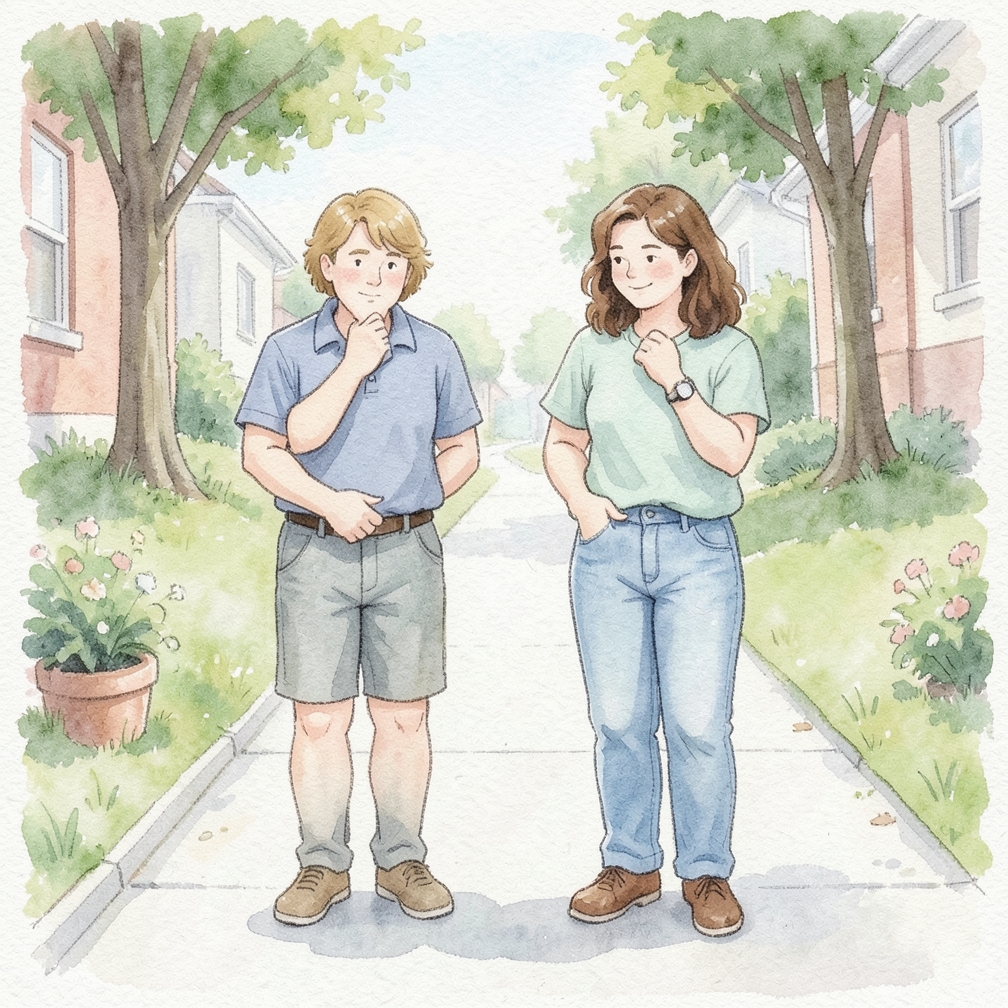
- Use gentle movements to avoid straining your neck.
- Breathe deeply into your belly during each stretch to signal the nervous system to relax.
- Avoid bouncing or jerking movements during stretches, as this can cause micro-tears in the muscle.
- Start by tucking your chin in toward your chest and lifting the back of your head.
- Then, inhale and tilt your head to the right side.
Pro Tips
- Hydrate well, as dehydrated fascia and muscles are more prone to stiffness and tension.
- Practice diaphragmatic breathing; shallow chest breathing often engages the neck muscles (scalenes) unnecessarily.
Warnings
- If you experience numbness, tingling, or weakness radiating down your arms, consult a doctor immediately as this may indicate a nerve issue.
- Avoid 'cracking' your own neck aggressively, as this can lead to joint instability over time.
Community Q&A
Q Can stress cause physical neck tension?
A Yes, stress often triggers a subconscious 'shrugging' response where the shoulders rise toward the ears, leading to chronic tension in the trapezius muscles.
Q How long does it take to improve posture?
A While immediate relief is possible through stretching, permanent postural changes usually take 4-8 weeks of consistent ergonomic adjustments and strengthening.
References
- https://yogainternational.com/article/view/relieving-neck-shoulder-tension
- https://www.huffingtonpost.com/nora-tobin/health-fitness_b_5386594.html
- https://www.spine-health.com/conditions/neck-pain/neck-strengthening-exercises
- https://www.nhs.uk/conditions/neck-pain-and-stiff-neck/
- https://www.calmclinic.com/anxiety/symptoms/neck-pain
- https://www.health.harvard.edu/pain/6-ways-to-ease-neck-pain
- https://www.spine-health.com/blog/10-tips-prevent-neck-pain
Was this guide helpful?
29 people found this helpful
HowDadDo Around the World
Subscribe to the HowDadDo Newsletter
Get expert tips, weekly how-to guides, and dad wisdom delivered straight to your inbox. No spam, just good stuff.
Help us build the world's best
dad manual.
Every guide on HowDadDo is written and fact-checked by real people — no AI-generated fluff. Join our community of experts helping dads figure life out.