How to Master the Throw in Dodgeball for Maximum Power
To dominate on the court, you need to understand that mastering the throw in dodgeball is about more than just arm strength. A truly powerful throw is a full-body operation that transfers energy from your feet up through your fingertips. By focusing on proper grip and body positioning, you can increase your velocity, improve your accuracy, and keep your opponents on the defensive.
Mastering the Grip and Hold
Select a Grip for Maximum Control

- Place your fingers spread wide across the surface to maximize the contact area.
- Avoid clutching the ball too tightly in your palm, as this can dampen the snap of the release.
- Ensure there is a small gap between the ball and your palm to allow for better flicking motion.
- Check for moisture or sweat on your hands; a slippery grip is the primary cause of erratic throws.
- Experiment with a claw grip for more stability when throwing high-velocity shots.
Secure the Ball for Stability

- Keep your wrist firm but flexible to allow for a final snap at the point of release.
- Align the ball with your forearm to ensure a straight line of force.
- Avoid shifting your grip mid-throw, as this creates a split-second delay that opponents can react to.
- Practice gripping the ball while moving to simulate real game conditions.
- Use your fingertips to guide the ball rather than relying solely on the strength of your palm.
Generating Full-Body Power
Establish a Dynamic Base

- Stand with your feet shoulder-width apart to maintain balance and agility.
- Step forward with the foot opposite to your throwing arm to create a stable pivot point.
- Keep your knees slightly bent to lower your center of gravity, making you a harder target.
- Avoid standing completely flat-footed, as this slows down your reaction time and throw speed.
- Ensure your weight is distributed evenly before initiating the wind-up.
Engage the Kinetic Chain
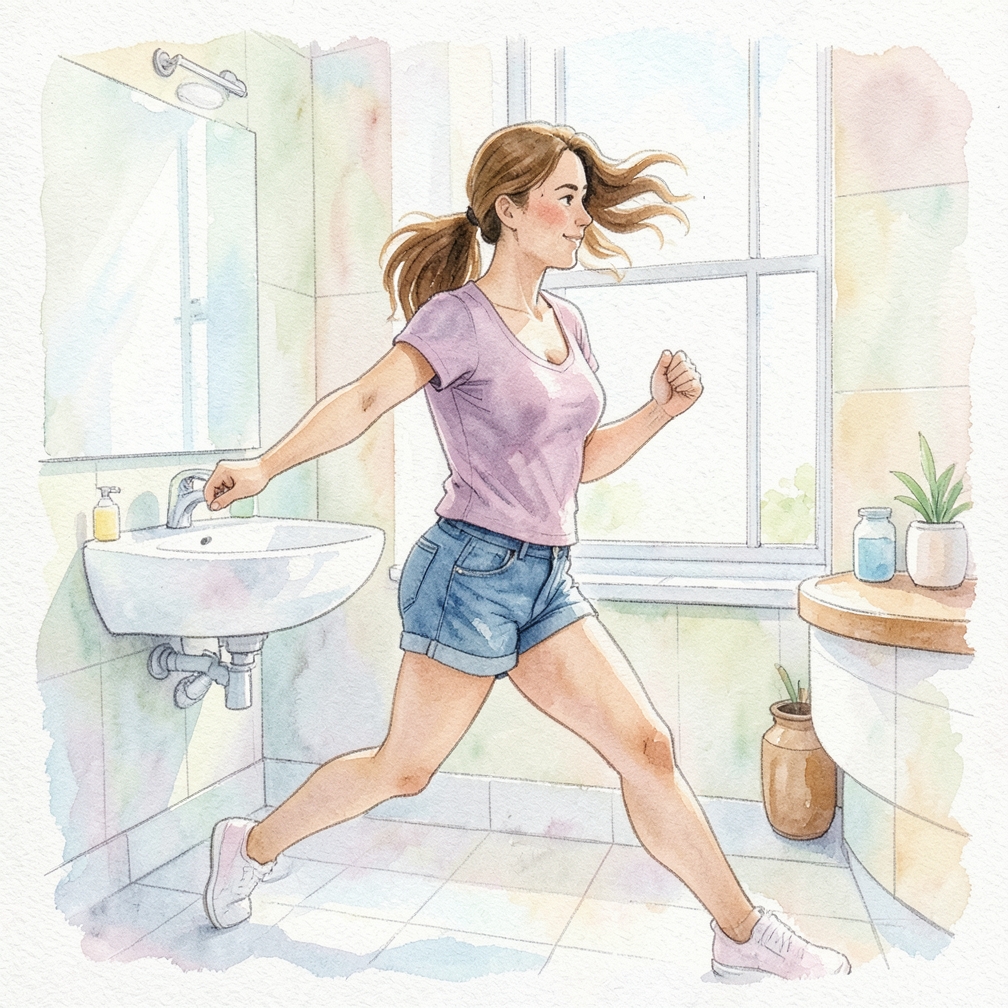
- Rotate your hips forward first, followed by your shoulders, and finally your arm.
- Twist your torso to create potential energy, similar to winding a spring.
- Keep your non-throwing arm tucked or used as a counter-balance to maintain equilibrium.
- Do not lean too far backward, as this can cause you to lose balance and accuracy.
- Focus on a smooth, fluid motion rather than jerky, disconnected movements.
Execute the High-Velocity Release

- Release the ball at the highest point of your arc for maximum trajectory control.
- Snap your wrist forward at the moment of release to add velocity and spin.
- Allow your throwing arm to follow through across your body toward the opposite hip.
- Avoid stopping your arm abruptly, as this can lead to shoulder strain or injury.
- Keep your eyes locked on the target until the ball has left your hand.
Pro Tips
- Practice throwing against a wall to refine your accuracy and get a feel for the ball's bounce.
- Vary your release height to keep opponents guessing whether you are aiming for the head or the feet.
Warnings
- Always warm up your shoulders and wrists before a game to prevent ligament strains.
Community Q&A
Be the first to ask a question about this guide.
Was this guide helpful?
41 people found this helpful
HowDadDo Around the World
Subscribe to the HowDadDo Newsletter
Get expert tips, weekly how-to guides, and dad wisdom delivered straight to your inbox. No spam, just good stuff.
Help us build the world's best
dad manual.
Every guide on HowDadDo is written and fact-checked by real people — no AI-generated fluff. Join our community of experts helping dads figure life out.