How to Install Floor Tile for a Professional Finish
Installing floor tile is one of the most rewarding home improvement projects you can undertake. While it requires patience and precision, learning how to install floor tile correctly ensures a surface that lasts for decades. Whether you are updating a kitchen or refreshing a bathroom, the key to a professional look lies in the preparation and the layout, preventing crooked lines and uneven surfaces.
Subfloor Preparation and Layout
Install a Cement Backer Board
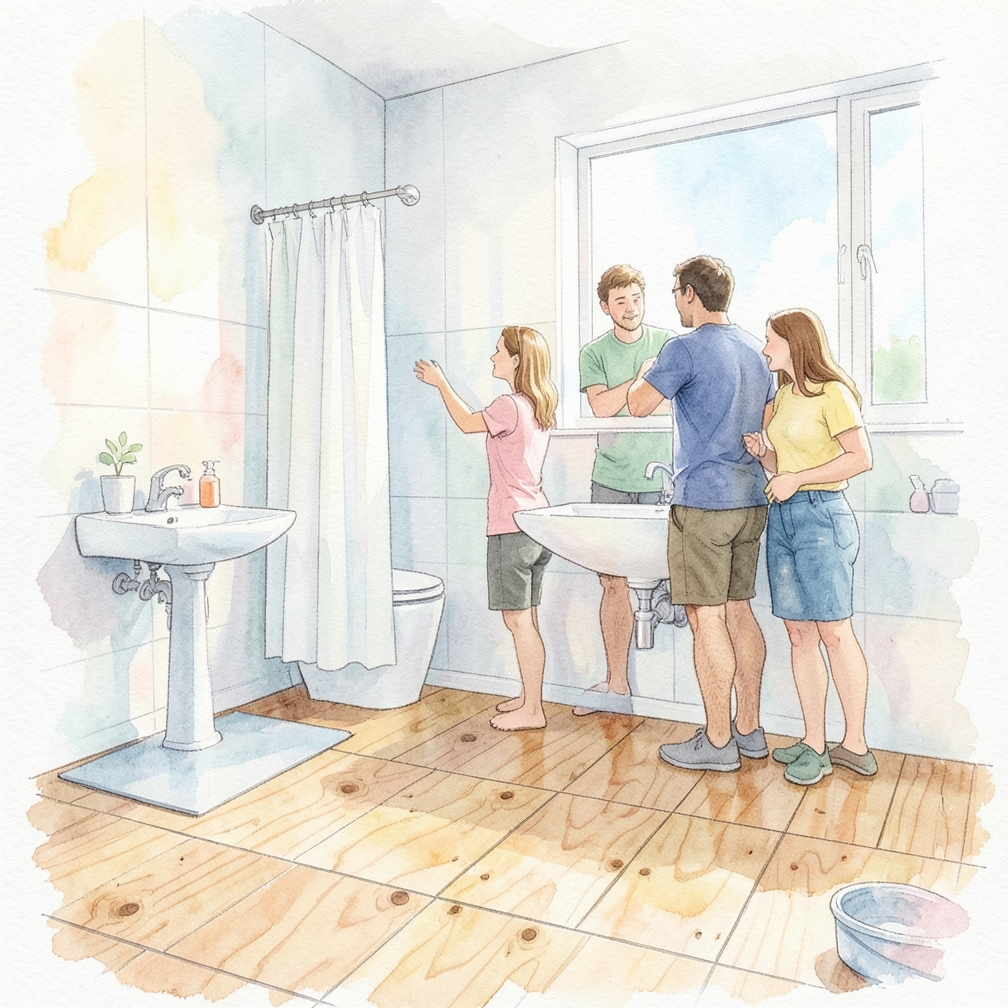
- Apply a layer of latex-modified thinset to the subfloor before laying the board.
- Use specialized cement board screws rather than standard wood screws to ensure a secure hold.
- Stagger the end joints of the boards to prevent long continuous seams that could lead to cracking.
- Cut boards to size using a carbide-tipped scoring tool or a jigsaw.
- Do not leave gaps between the subfloor and the cement board; ensure full mortar coverage.
Establish a Precise Layout

- Measure the length and width of the room to find the exact center point.
- Snap perpendicular chalk lines to create a crosshair guide for your first tiles.
- Lay a row of tiles from the center to the wall without adhesive to check the edge sizes.
- Adjust the center point slightly if the dry layout results in pieces smaller than half a tile at the edges.
- Avoid skipping the dry layout, as correcting a crooked floor after the mortar sets is nearly impossible.
Tile Installation
Apply Thinset Mortar
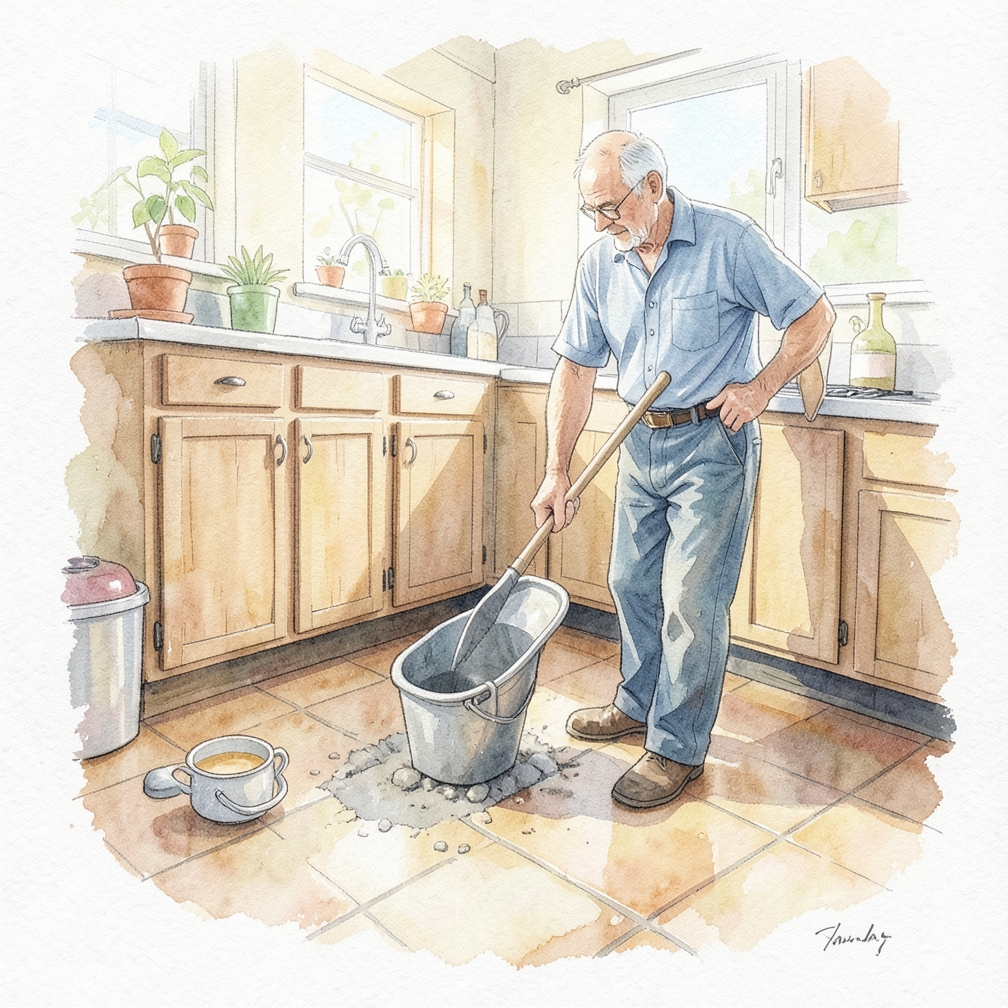
- Mix mortar to a consistency similar to peanut butter or toothpaste.
- Let the mortar 'slake' or rest for 10 minutes after mixing to allow chemicals to fully activate.
- Use the notched side of the trowel to create straight, parallel lines rather than swirls.
- Only spread as much mortar as you can realistically tile within 10 to 15 minutes.
- Avoid over-watering the mortar, as too much water can lead to shrinkage and cracking.
Set and Level the Tiles

- Press the tile firmly into the mortar and give it a slight twist to collapse air pockets.
- Place grout spacers at every corner to maintain consistent spacing between tiles.
- Use a rubber mallet to gently tap tiles down to a level height.
- Pull tiles from different boxes simultaneously to blend any slight color variations.
- Do not walk on the newly laid tiles for at least 24 hours to allow the bond to cure.
Cut and Fit Perimeter Tiles

- Measure the remaining gap from the last full tile to the wall, minus one spacer width.
- Use a wet saw for precise, clean edges on porcelain or ceramic tiles.
- Leave a small expansion gap at the wall edge, which will be covered by baseboards.
- Double-check your measurements before cutting, as mistakes waste expensive material.
- Always wear safety goggles and ear protection when operating a wet saw.
Grouting and Finishing
Fill Joints with Grout

- Remove all plastic spacers and vacuum out any debris from the joints before starting.
- Use a rubber grout float to push the grout deep into the joints at a 45-degree angle.
- Work in small sections to prevent the grout from drying on the tile surface.
- Wipe away excess grout with a damp, barely-wet sponge after 15-20 minutes.
- Avoid using a soaking wet sponge, as excess water can wash out the pigment and weaken the grout.
Pro Tips
- Buy 10-15% more tile than you actually need to account for breakage and mistakes.
- Seal your grout after it has fully cured to prevent staining and water penetration.
Warnings
- Always work in a well-ventilated area when mixing mortar and grout to avoid inhaling dust.
- Ensure your subfloor is completely dry; moisture trapped under tile can lead to adhesive failure.
Community Q&A
Be the first to ask a question about this guide.
References
Was this guide helpful?
27 people found this helpful
HowDadDo Around the World
Subscribe to the HowDadDo Newsletter
Get expert tips, weekly how-to guides, and dad wisdom delivered straight to your inbox. No spam, just good stuff.
Help us build the world's best
dad manual.
Every guide on HowDadDo is written and fact-checked by real people — no AI-generated fluff. Join our community of experts helping dads figure life out.