How to Clean and Maintain Your Natural Seagrass Rug for Longevity
Seagrass rugs are a beautiful, sustainable choice for any home, offering a natural aesthetic and surprising durability. However, because they are made from organic fibers grown in seawater, they require specific care to prevent mold and fiber degradation. Learning how to clean and maintain your natural seagrass rug ensures that this decorative piece remains a centerpiece of your room for years to come without losing its structural integrity.
Routine Maintenance and Dust Removal
Perform Regular Vacuuming
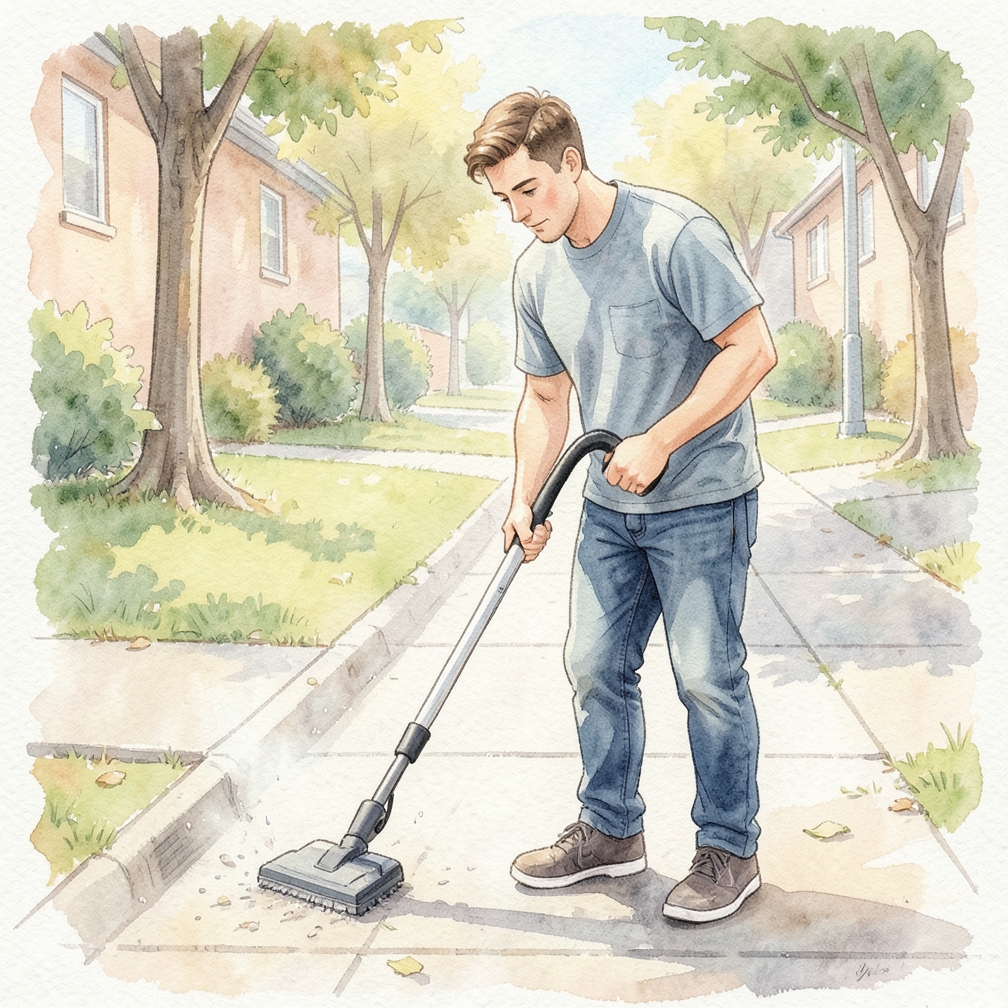
- Use a vacuum cleaner with the beater bar turned off or set to the highest pile setting to avoid fraying the grass.
- Vacuum along the grain of the weave to lift dust without pulling at the fibers.
- Focus on high-traffic areas where dirt accumulates most quickly to prevent permanent embedding.
- Avoid using high-suction industrial vacuums that might pull the weave apart.
- Schedule a full vacuuming at least twice a week to maintain the rug's natural luster.
Shake Out the Rug Periodically

- Take the rug outdoors to a grassy area to ensure dust doesn't settle back into your home.
- Gently shake the rug from the edges toward the center to loosen debris.
- Use a soft-bristled broom to lightly sweep the surface while the rug is hanging over a railing.
- Avoid folding the rug sharply when moving it, as this can create permanent creases in the seagrass.
- Perform this deep clean every few months to prevent the rug from looking dull.
Targeted Cleaning and Stain Removal
Address Spills Immediately

- Blot the spill immediately using a clean, white microfiber cloth to avoid spreading the liquid.
- Never rub or scrub the stain, as this pushes the liquid deeper into the weave and damages the fibers.
- Work from the outside of the spill toward the center to prevent the stain from expanding.
- Use a dry towel to press firmly down on the area to absorb as much moisture as possible.
- Act within the first few minutes of a spill to maximize the chance of complete removal.
Apply a Gentle Cleaning Solution

- Mix a small amount of neutral pH dish soap with lukewarm water.
- Dip a soft cloth into the solution and wring it out thoroughly; the cloth should be damp, not dripping.
- Avoid using bleach or harsh chemical cleaners, which can bleach the natural color and weaken the grass.
- Dab the solution onto the stain gently and let it sit for a minute before blotting dry.
- Rinse the area by dabbing with a cloth dampened with plain water to remove soap residue.
Ensure Rapid Drying
- Use a hair dryer on a cool or low-heat setting to dry the spot-cleaned area quickly.
- Place a fan directly over the damp area to increase airflow and speed up evaporation.
- Avoid leaving the rug in a humid room while it is drying.
- If possible, move the rug to a well-ventilated area or a room with an open window during the drying process.
- Ensure the underside of the rug is also dry to prevent moisture from trapping between the rug and the floor.
Pro Tips
- Place a rug pad underneath your seagrass rug to prevent sliding and provide an extra layer of cushioning that protects the fibers from floor friction.
- Rotate your rug every six months to ensure that wear and tear are distributed evenly across the entire surface.
Warnings
- Never soak a seagrass rug in water or use a steam cleaner, as excessive moisture can cause the fibers to swell and rot.
- Avoid placing seagrass rugs in areas of direct, intense sunlight for extended periods to prevent the natural colors from fading.
Community Q&A
Q Can I use a professional carpet cleaner on a seagrass rug?
A No, professional carpet cleaners often use too much water and high-pressure steam, which can damage the natural fibers and lead to mold growth.
Q How often should I deep clean my seagrass rug?
A While vacuuming should be weekly, a deeper cleaning (shaking out and spot treating) is typically recommended every 3 to 6 months depending on foot traffic.
Was this guide helpful?
31 people found this helpful
HowDadDo Around the World
Subscribe to the HowDadDo Newsletter
Get expert tips, weekly how-to guides, and dad wisdom delivered straight to your inbox. No spam, just good stuff.
Help us build the world's best
dad manual.
Every guide on HowDadDo is written and fact-checked by real people — no AI-generated fluff. Join our community of experts helping dads figure life out.