How to Build Secure Emotional Bonds with Adults with Attachment Issues
Building a healthy relationship with someone who has attachment issues requires patience, consistency, and a deep understanding of emotional triggers. When a person has experienced early childhood instability, they may struggle with an avoidant or anxious attachment style, making intimacy feel threatening or precarious. By implementing specific communication strategies and maintaining a predictable environment, you can help them feel safe enough to open up. This guide focuses on how to build secure emotional bonds with adults with attachment issues through steady support and clear boundaries.
Establishing a Foundation of Predictability
Implement Consistent Communication Patterns
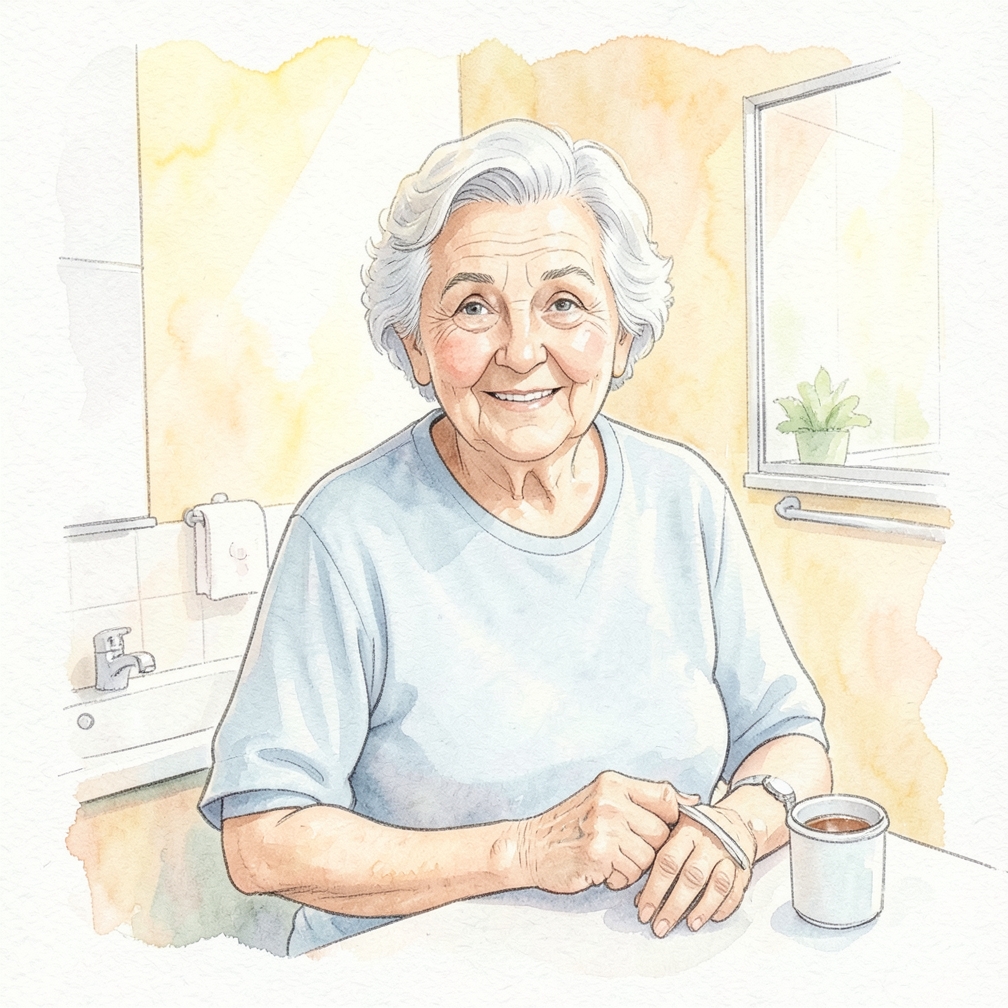
- Replace vague phrases like 'later' with specific times, such as 'I will call you at 6 PM'.
- Send a brief 'thinking of you' text during the day to maintain a sense of connection.
- Inform them in advance if you will be unavailable for a long period to prevent panic.
- Avoid using silence or the 'cold shoulder' as a tool during disagreements.
- Keep your promises regarding communication to build a track record of reliability.
Maintain Reliable Emotional Availability

- Listen actively without immediately trying to 'fix' the emotional distress.
- Validate their feelings by saying 'I can see why that would feel scary for you'.
- Remain calm and present even when they attempt to push you away.
- Avoid reacting with anger or shock when they reveal deep-seated insecurities.
- Offer reassurance that you are not leaving, especially during moments of vulnerability.
Create Shared Rituals of Connection
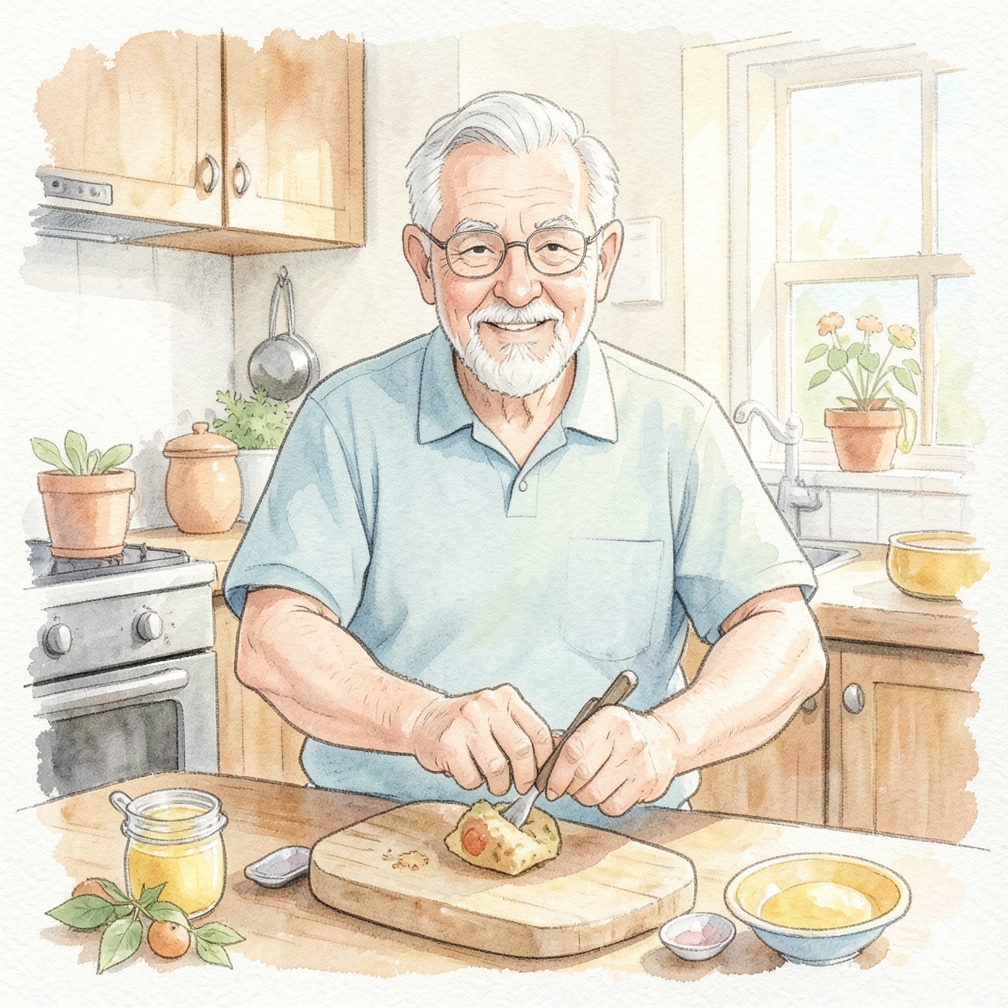
- Establish a specific, unchanging weekly date or activity.
- Develop a unique way of saying goodbye that signals a guaranteed return.
- Start with low-stakes rituals, like a shared morning coffee, before moving to deep emotional sharing.
- Do not force intense emotional intimacy too quickly, as this can trigger avoidant withdrawal.
- Maintain these rituals even during stressful periods to prove stability.
Navigating Intimacy and Conflict
Practice Co-Regulation During Triggers

- Lower your voice and slow your speaking pace when tension rises.
- Offer a grounding physical presence, such as a hand on the shoulder, if they are comfortable.
- Explicitly state 'I am here for you when you are ready' if they need space.
- Avoid matching their emotional intensity or escalating the argument.
- Encourage deep breathing exercises together to lower collective cortisol levels.
Set and Respect Firm Boundaries

- Clearly define your needs for alone time or personal space.
- Communicate boundaries kindly but firmly, without apologizing for having them.
- Explain that boundaries are a tool for the health of the relationship, not a rejection.
- Avoid becoming a 'caretaker' who sacrifices all their own needs to soothe the other person.
- Consistently enforce the boundaries you have set to maintain predictability.
Facilitate Professional Support Systems

- Suggest individual therapy to help them process childhood wounds.
- Consider couples therapy to learn specific communication tools for attachment styles.
- Research therapists who specialize in Attachment Theory or EMDR.
- Do not attempt to act as their primary therapist, as this can create an unhealthy power dynamic.
- Support their progress by celebrating small wins in their emotional regulation.
Pro Tips
- Avoid using shame or guilt to encourage them to open up.
- Encourage them to seek a therapist specializing in Attachment Theory.
- Celebrate small wins, like when they express a need or vulnerability.
- Be patient; healing attachment wounds often takes years, not months.
- Focus on 'I' statements to avoid sounding accusatory during conflicts.
- Remember that their withdrawal is a defense mechanism, not a lack of love.
Warnings
- Do not attempt to be their sole therapist; professional help is essential.
- Avoid 'saving' them, as this can create an unhealthy dependency.
- Do not ignore your own mental health or burn yourself out.
- Be wary of patterns that mirror abusive dynamics under the guise of 'healing'.
- Avoid pressuring them into intimacy faster than they can handle.
Community Q&A
Q Can an adult truly change their attachment style?
A Yes, this is known as 'earned security.' Through stable relationships and therapy, individuals can move from an insecure style to a secure one.
Q What is the difference between anxious and avoidant attachment?
A Anxious attachment is characterized by a fear of abandonment and a need for constant reassurance, while avoidant attachment is characterized by a fear of intimacy and a tendency to withdraw.
References
- Attached: The New Science of Adult Attachment
- https://www.psychologytoday.com
- https://greatergood.berkeley.edu/article/item/how_to_stop_attachment_insecurity_from_ruining_your_love_life
- https://www.goodreads.com/list/show/73163.Attachment_Disorder
- https://www.aacap.org/AACAP/Families_and_Youth/Facts_for_Families/FFF-Guide/Attachment-Disorders-085.aspx
- https://www.ncbi.nlm.nih.gov/pmc/articles/PMC2724160/
- https://emedicine.medscape.com/article/915447-overview
- https://www.mayoclinic.org/diseases-conditions/reactive-attachment-disorder/basics/tests-diagnosis/con-20032126
- https://www.helpguide.org/articles/secure-attachment/attachment-issues-and-reactive-attachment-disorders.htm
- https://www.reactiveattachmentdisordertreatment.com/ssi/article3.html
Was this guide helpful?
27 people found this helpful
HowDadDo Around the World
Subscribe to the HowDadDo Newsletter
Get expert tips, weekly how-to guides, and dad wisdom delivered straight to your inbox. No spam, just good stuff.
Help us build the world's best
dad manual.
Every guide on HowDadDo is written and fact-checked by real people — no AI-generated fluff. Join our community of experts helping dads figure life out.